
MA International Relations
Explore real world issues and key policy areas and learn from leading experts who advise governments and shape debates. Innovative teaching practices like simulations, interactive seminars, and flipped classrooms, will develop your capacity for independent thinking and incisive analysis. Our alumni, who form an international network, have used this programme as a springboard into foreign offices and diplomatic services, the UN, EU and OECD, the IRC, Amnesty International and other NGOs, as well as businesses with an international outlook.
Reasons to study International Relations MA/PDip at Kent
Join our vibrant, diverse and international student community, bringing different perspectives into dialogue and facilitating a global network of close connections. Read about our first town hall on Equality, Diversity and Inclusivity.
Taught by world leading experts at the cutting edge of research, actively engaged in advising government and shaping debates.
Fundamental skills of analysis, interpretation and prediction, combined with the flexibility to follow your interest through a broad range of optional modules.
High-profile engagement through the Global Europe Centre and the Conflict Analysis Research Centre, which crystallise our research, policy and practitioner networks into an annual schedule of events.
Canterbury campus offers an idyllic countryside setting on the edge of a lively student town, only an hour from London and a short train ride to Europe.
About the School
The School of Politics and International Relations is one of the most dynamic places to study Politics and International Relations. We combine high-quality teaching with cutting-edge research in a supportive environment that welcomes students from all over the world.
Campus Information
Canterbury
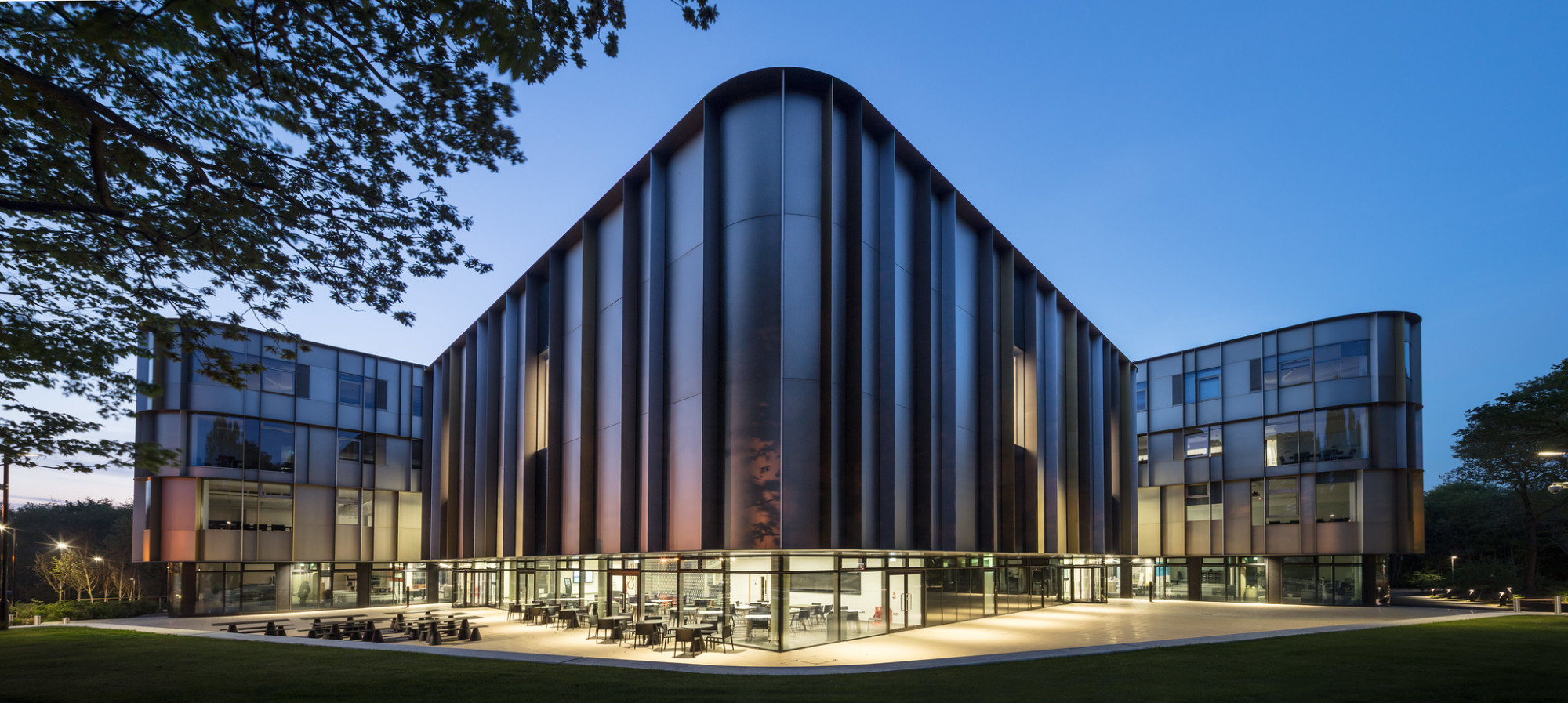
Our campus is surrounded by beautiful woodlands and overlooks the charming city of Canterbury. We have excellent transport links on campus or you can stroll into town on foot.
Intakes
- Jan
- Sep
Application Processing Time in Days: 30
Minimum English Language Requirements
| English Level Description | IELTS (1.0 -9.0) | TOEFL IBT (0-120) | TOEFL CBT (0-300) | PTE (10-90) | |
|---|---|---|---|---|---|
| Expert | 9 | 120 | 297-300 | 86-90 | |
| Very Good | 8.5 | 115-119 | 280-293 | 83-86 | |
| Very Good | 8 | 110-114 | 270-280 | 79-83 | |
| Good | 7.5 | 102-109 | 253-267 | 73-79 | |
| Good | 7 | 94-101 | 240-253 | 65-73 | |
| Competent | 6.5 | 79-93 | 213-233 | 58-65 | |
| Competent | 6 | 60-78 | 170-210 | 50-58 | |
| Modest | 5.5 | 46-59 | 133-210 | 43-50 | |
| Modest | 5 | 35-45 | 107-133 | 36-43 | |
| Limited | 4 | 32-34 | 97-103 | 30-36 | |
| Extremely Limited | < 4 | < 31 | < 93 | < 30 |
Job Opportunity Potential
In these appointments, you will have up to 45 minutes to talk to a careers adviser about whatever career-related topic is important to you. Topics of conversation could include:
- I have no idea what I want to do after I graduate, what are my options?
- What jobs can I get with my degree?
- How do my skills fit in the labour market?
- I’m interested in taking a gap year after I graduate and I want to plan something employers will value.
- I’m thinking of leaving/changing my course and want to talk through the pros and cons.
- I’m interested in doing a masters or PhD, what are my options?
- I’m not sure how to disclose sensitive information to an employer.
A guidance interview is:
Impartial
A careers adviser will not recommend one route to you over another. They are there to help you explore the options objectively.
Challenging
Careers advisers may question your goals and help you to look at the disadvantages as well as the advantages. This is not to put you off, but to help ensure you have thought it through.
Supportive
The meetings are very informal and relaxed. Careers advisers are there to help you discuss things in a safe environment.
Part of a process
Career choice is a process not an event. A guidance interview is a good starting point but you will need to do further research and continuously update your action plan.
PSW Opportunity
- 2 Years PSW is applicable after completing a minimum duration of 9 months course (like- Undergraduate, Postgraduate Level)
- 3 Years PSW is applicable after completing PhD level courses.
Admission Requirement / Eligibility Criteria
For entry to a Kent postgraduate degree programme (Master’s), Indian students typically need to have completed a three or four-year undergraduate degree (Honours Bachelor degree or Professional degree) at an accredited university or college. General Bachelor degrees may sometimes be considered. Exact requirements will depend on the postgraduate degree you are applying for and the institution you have studied at.
For programmes that require a 2:1 we usually ask for a First Class degree, a final CGPA of 6.0/10, or 60%. Students from top institutions may be considered with a high Second Class degree, a final CGPA of 5.5/10, or 55%.
For programmes that require a 2:2 we usually ask for a high Second Class degree, a final CGPA of 5.5/10, or 55%
Some, but not all, postgraduate programmes require your undergraduate degree to have a related major. Some postgraduate programmes may require work experience in a relevant field or at a certain level.
General postgraduate programmes
IELTS (including IELTS Indicator)
6.5 overall (with a minimum of 6.0 in R&W; 5.5 in S&L)
PTE Academic
62 overall with 60 in each subtest
CAE/CPE
176 overall (with a minimum of 169 in R&W; 162 in S&L)
TOEFL iBT
90 overall (with a minimum of 22 in R; 21 in W; 17 in L; 20 in S)
- Course Type: Full Time
- Course Level: Masters/PG Degree
- Duration: 01 Year
-
Total Tuition Fee:
18600 GBP
Average Cost of Living: 13632 GBP /year
Application Fee: N/A
Similar Programs
- MA Film with Practice at University of Kent
- Urban Planning and Resilience - MA at University of Kent
- Theatre Making - MA at University of Kent
- The Contemporary Novel: Practice as Research - MA at University of Kent
- Sociology - MA at University of Kent
- Peace and Conflict Studies (International Joint Award) - MA at University of Kent